

The Ultimate Guide to Saving Energy in UK Homes
- Charles Morley

- Sep 19, 2025
- 5 min read

Rising energy bills are now a fact of life for many UK households. At the same time, more of us want to live sustainably and reduce our environmental footprint. The good news? Saving energy does not mean giving up comfort. With a few smart changes from everyday habits to larger home improvements you can cut costs, conserve resources, and help the UK transition to a greener future.
This ultimate guide to energy saving gives you 30 plus practical UK specific tips and expands on each one so you know exactly how to put them into action.
Why Energy Efficiency Matters in the UK
Energy efficiency is about more than just lowering bills. It is about protecting the planet, supporting energy independence, and creating healthier homes. Here is why it matters:
Financial resilience: In 2024, the average UK household energy bill was over £2,000 per year. Even a 10 percent cut means £200 or more saved.
Carbon footprint: Domestic heating and electricity account for around 20 percent of the UK’s total CO₂ emissions. Every kilowatt hour saved reduces our collective impact.
Energy security: Using less gas and electricity means less reliance on imported fuels, keeping the UK more stable during global price fluctuations.
Comfort and health: Insulated, efficient homes are warmer, quieter, and less prone to damp or mould.
Living Room and Lounge: The Silent Energy Users
We often focus on the kitchen or heating system when thinking about energy, but your living room can be an invisible drain on your bills.
1. Upgrade Your TV and Entertainment Setup
Modern LED and OLED TVs are far more efficient than older plasma screens. For instance:
A 50 inch plasma TV might use 300 to 400 watts.
A similar sized LED TV uses 60 to 120 watts.That is a potential saving of £50 or more per year just by upgrading.

2. Beat Standby Mode
Many people assume standby mode uses negligible energy. Wrong. Devices on standby can add up to £80 annually. Solutions:
Use power strips with on off switches.
Invest in smart plugs that cut power automatically at night.
3. Adjust Picture Settings
TVs are often set to showroom mode with full brightness. Lowering brightness or enabling eco mode reduces energy use by 20 to 30 percent.
4. Control Games and Consoles
Leaving a PlayStation or Xbox running idle can cost £130 or more per year. Always power them down fully when not in use.
Home Office: Saving Energy While Working From Home
With hybrid and remote work more common, home offices are a major source of daily energy use.
5. Use a Laptop Instead of a Desktop
Desktops use 2 to 4 times more power than laptops. Unless you need heavy computing power a laptop is the greener choice.
6. Power Saving Settings
Enable:
Sleep mode after 10 minutes idle.
Hibernate mode for longer breaks.
Automatic screen dimming when on battery.
7. Do Not Forget the Router
Wi Fi routers consume 10 to 20 watts continuously. Leaving them on all year means £30 to £40 wasted. Switch them off when away for holidays.
8. Upgrade Equipment Responsibly
Older PCs, printers, and monitors are much less efficient. When replacing, look for Energy Star certified devices.
Kitchen and Utility: The Energy Hotspot of Every Home
The kitchen is where the biggest savings can be made. Cooking, refrigeration, and laundry all use large amounts of electricity.

9. Cook Smarter
Use the microwave, pressure cooker, or air fryer instead of the oven when possible.
Batch cook meals to maximise oven use.
Always use lids on pans to make food cook faster and save energy.
10. Rethink Kettle Use
Overfilling the kettle wastes more than £40 annually across the UK population. Only boil what you need.
11. Keep Fridges and Freezers Efficient
Defrost regularly.
Keep them three quarters full for best efficiency.
Do not place them next to ovens or radiators.
12. Smarter Washing

Wash clothes at 30°C whenever possible.
Always wait for a full load.
Use eco or quick wash cycles.
13. Reduce Dryer Use
Tumble dryers are among the biggest household energy guzzlers. Air dry on racks or outdoors whenever possible.
Bathroom and Hot Water: Savings Flowing Down the Drain
Water heating is responsible for a huge portion of household energy bills.
14. Shorter Showers
Cutting a 10 minute shower to 5 minutes could save £150 a year for a family of four.
15. Install Eco Shower Heads
These mix air into the flow, reducing hot water use by 30 to 40 percent while keeping pressure strong.
16. Fix Leaks Fast
A dripping hot tap wastes thousands of litres of heated water annually, equivalent to running 50 extra baths.
17. Turn Off the Tap
Brushing teeth with the tap running wastes 12 to 18 litres of water per session. Simple habit change equals huge savings.
Heating and Insulation: The Big Wins
This is where the largest savings are possible. Heating accounts for over half of the average energy bill.
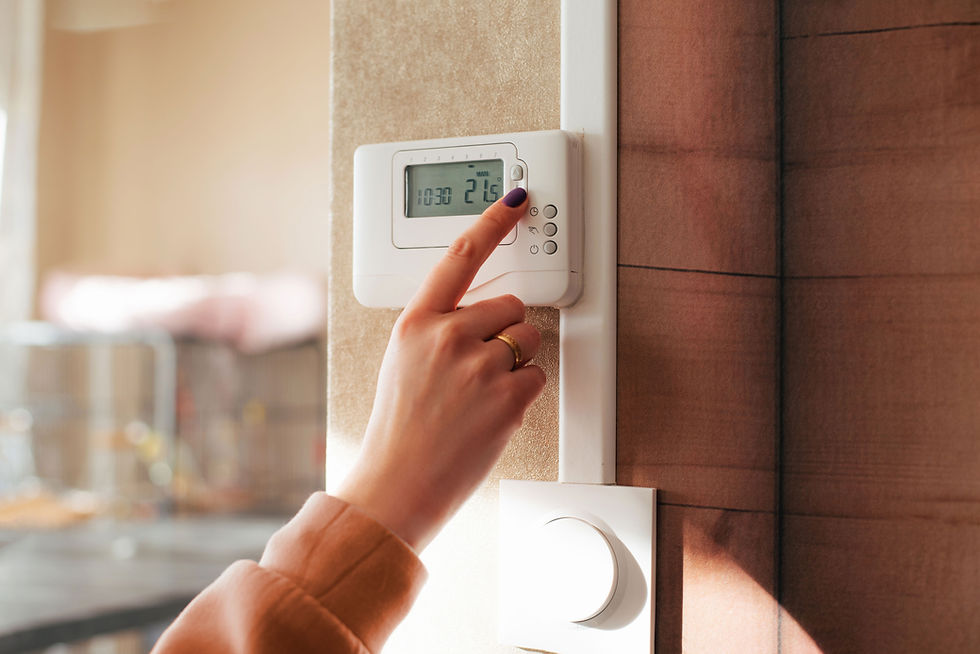
18. Turn Down the Thermostat
Reducing by just 1°C saves up to £100 a year without noticeable discomfort.
19. Control Rooms Individually
Use TRVs also known as thermostatic radiator valves to heat only the rooms you are using.
20. Bleed and Balance Radiators
Air pockets and uneven flow mean wasted heat. Bleeding radiators once a year keeps them efficient.
21. Draught Proofing
Seal gaps around doors, skirting boards, and windows. Even DIY draught excluders can cut heating bills by £60 annually.
22. Insulation is King
Loft insulation stops 25 percent of heat loss.
Cavity wall insulation saves around £200 per year.
Pipe lagging keeps hot water hotter for longer.
Lighting: Shine Brighter Spend Less
23. Switch to LED Bulbs
LEDs use up to 90 percent less energy and last 10 plus years. Replace all bulbs for an easy win.
24. Maximise Daylight
Rearrange rooms to take advantage of natural light. Clean windows and use mirrors to reflect sunlight.
25. Motion Sensors and Timers
Perfect for hallways outdoor spaces or security lighting.
Smart Tech: Let Your Home Do the Work
26. Smart Thermostats
Devices like Nest or Hive learn your routine, optimising heating schedules automatically. Potential savings £200 per year.
27. Smart Meters
Give you real time feedback on where energy is being wasted which is often an eye opener for most households.
28. Smart Plugs
Great for shutting down hard to reach sockets. You can even schedule them from your phone.
Long Term Investments: Future Proof Your Home

29. Solar Panels
Though upfront costs are £5,000 to £7,000, panels can cut bills by 50 percent and pay back within 7 to 10 years.
30. Efficient Boilers and Heat Pumps
Replacing an old G rated boiler with an A rated model saves up to £315 annually. Heat pumps offer even bigger carbon reductions.
31. Double or Triple Glazing
Cuts draughts, reduces noise, and saves up to £150 annually on heating.
Government Grants and Support
Do not forget that help is available:
ECO4 Scheme: Free or subsidised insulation and heating for qualifying households.
Boiler Upgrade Scheme: £7,500 towards installing a heat pump.
Warm Home Discount: £150 credit for eligible low income households.
About The Eco Advisory Bureau
At The Eco Advisory Bureau, we are dedicated to helping UK households live greener, healthier, and more affordable lives. Our mission is to provide clear, practical advice on reducing energy use, cutting carbon emissions, and making homes more efficient. We believe every household deserves access to affordable warmth and sustainable living, regardless of income.
We work closely with trusted partners and government backed schemes to help households access free or subsidised insulation, heating upgrades, and renewable energy solutions. Our team stands for honesty, clarity, and community impact. Every action taken in one home contributes to a cleaner future for all.
Take the Next Step
To find out more about how you could significantly reduce your energy bills and to check if you are eligible for free insulation and heating upgrades visit The Eco Advisory Bureau at www.ecoadvice.org.uk or call 0330 341 3420.


Comments