

Smart Home Technology and Smart Thermostats: A Guide to Compatibility and Benefits
- Chris Stowe
- Dec 6, 2024
- 5 min read


Smart home systems have become increasingly popular, and smart thermostats are a key component that offers convenience and energy management for homeowners. These devices not only allow users to adjust heating and cooling settings via smartphones or voice commands but can also learn user preferences to optimise temperatures automatically.
Before purchasing a smart thermostat, it's essential to determine whether your existing heating system, particularly your boiler, is compatible with this technology.
This comprehensive guide will explain how smart thermostats integrate with boilers, what you need to consider before installing one, and the benefits of upgrading your boiler to a more advanced system.
What Are Smart Thermostats?

Smart thermostats are advanced devices designed to manage home heating and cooling systems through mobile apps or voice controls. Popular brands include Nest, Hive, Tado, and Drayton. These devices often feature:
Learning and adapting to your heating habits
Adjusting room temperatures based on occupancy
Generating energy usage report
Remote access through an internet connection
However, ensuring compatibility between your smart thermostat and your boiler is crucial before installation.
Boiler Types and Compatibility with Smart Thermostats
Boiler Type | Compatibility with Smart Thermostats |
Combi | Yes, most modern models are compatible. |
Conventional | Yes, but may require a receiver for communication. |
System | Yes, works efficiently with most smart thermostats. |
Electric | Yes, typically compatible. |
Oil-Fired | Depends, older systems may need updates. |
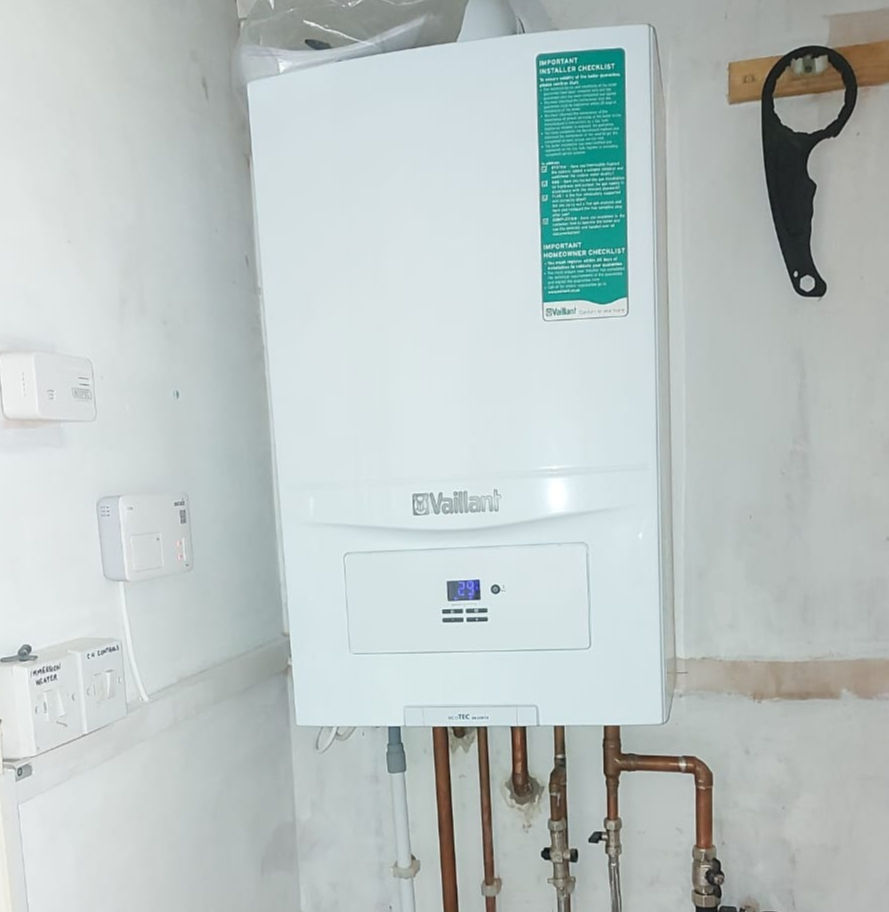
Combi Boilers
Combi boilers, which heat water directly from the mains, are among the most efficient systems. Most modern models include built-in smart thermostat compatibility, though older ones may need additional wiring or devices.

Conventional Boilers
These older systems, often found in older homes, require a hot water cylinder and cold water storage tank. While compatible with smart thermostats, some may need additional components like a receiver for effective communication.
System Boilers
System boilers eliminate the need for a cold water storage tank and integrate an expansion vessel. Commonly installed in newer homes, these boilers usually pair seamlessly with smart thermostats.
Electric Boilers
Electric boilers are typically straightforward when it comes to compatibility, though confirming with the manufacturer or installer is advised.
Oil-Fired Boilers
Used in areas without gas mains, compatibility with smart thermostats depends on the model. Modern systems are often adaptable, but older versions may require modifications.
Key Considerations Before Installing a Smart Thermostat
Boiler Age
Older boilers may lack the communication protocols needed for smart thermostats. Boilers over 10–15 years old are less likely to be compatible and may need replacing, while newer models (5–7 years old) are generally suitable.
Wiring and Installation
Some setups may require additional wiring or external receivers to integrate with smart thermostats. Professional installation is often recommended to ensure proper connectivity and functionality.
Modulation Control
Smart thermostats are most effective with boilers that support modulation control, which adjusts heat output based on demand. Without this feature, energy savings may be limited.
Zoning Systems
Homes with multiple heating zones need smart thermostats designed to manage separate areas. Some systems may require additional devices for zoning compatibility.
Who Benefits Most from a Smart Thermostat?

People Ready to Embrace Lifestyle Changes: A smart thermostat provides insights into your energy consumption and even offers tips for saving, empowering you to make informed adjustments.
Tech-Savvy Individuals: If you're comfortable using smartphone apps, you'll maximise the energy-saving features that a smart thermostat offers.
Those with Dynamic Schedules: For people with unpredictable routines, a smart thermostat allows you to control heating remotely, ensuring efficiency by turning the system off when you're out or adjusting settings on the go.
Long-Term Residents: If you're planning to stay in your current home for years, you'll likely recover the cost of installation through reduced heating bills.
Who May Benefit Less from a Smart Thermostat?
Infrequent Users of Smart Features: If you forget to use the app or constantly adjust settings without planning, you may not see significant savings.
Efficient Users of Traditional Heating Controls: People already using timers and thermostatic valves effectively may see smaller incremental savings compared to someone starting from scratch.
Owners of Poorly Insulated Homes: Addressing insulation issues, such as adding loft insulation or double glazing, often yields higher savings than installing a smart thermostat alone.
Short-Term Residents: If you're likely to move within a few years, you might not recover the upfront costs.
Are Smart Thermostats Environmentally Friendly?

Potentially, yes. Smart thermostats can help reduce energy use, lowering carbon emissions if connected to systems running on fossil fuels like gas or oil. However, actual benefits depend on how you use the device. Mismanagement, such as keeping the heating on unnecessarily, can undermine its potential.
Tips for Lowering Emissions with a Smart Thermostat:
Lower your thermostat by just 1°C to cut heating costs by about 10% and reduce emissions by 300kg annually.
Set radiator valves to the optimal temperature (usually 18–21°C or settings 3–4).
Turn off the heating or set it to frost protection mode (around 7°C) when you're away.
Avoid turning the thermostat up to heat your home faster—it only prolongs heating time and wastes energy.
For those considering a more sustainable option, explore heat pumps as a low-carbon alternative to traditional boilers.
Which Brands Offer the Best Support for Smart Thermostats?
Ongoing software and security updates are essential for maintaining functionality and protecting against threats.
Tado: Offers updates for up to 10 years.
Google (Nest): Provides at least five years of support.
Drayton: Supports products for five years from launch.
Hive: Smart thermostats and radiator valves are supported through 2026.
Other brands, such as Netatmo and Energenie, haven't specified support timelines. To ensure longevity, prioritise devices with longer update commitments.

Renting? Here's What to Know About Smart Thermostats
Renters can install smart thermostats with their landlord's permission and should hire a professional installer.
Key Considerations:
Cost Recovery: If you're not staying long enough to recoup installation costs through energy savings, it may not be worth it.
Resetting the Thermostat: Ensure the thermostat can be reset to protect your data and allow future tenants to set up their accounts.
What to Do with Your Smart Thermostat When Moving
Taking It with You:
Ensure compatibility with your new home’s heating system.
Reset the thermostat and remove it from the app.
Uninstall and reinstall at your new property, following manufacturer instructions or hiring a professional.
Leaving It Behind:
Remove the thermostat from the app and reset it.
Delete your account if you're not using the device in your new home.
With these steps, you can ensure a smooth transition while safeguarding your personal data.
When to Consider Boiler Replacement or Upgrade
If your current boiler cannot support a smart thermostat or is outdated and inefficient, it may be time for an upgrade. Indicators that you should replace your boiler include:
Frequent Breakdowns: Regular repairs can be more costly than a replacement.
High Energy Bills: Older boilers often waste energy, leading to higher costs.
Inconsistent Heating: Uneven temperatures in your home may indicate an insufficient system.

Adopting smart home technology like smart thermostats is a practical step toward improving energy efficiency and convenience. However, ensuring your boiler is compatible is essential. In cases where your existing boiler is outdated, upgrading to a modern, efficient model can future-proof your home and maximise the benefits of smart home integration.
Consulting a qualified boiler engineer can help you determine the best solution for your home, whether it involves upgrading, replacing, or installing a new system.


Comments